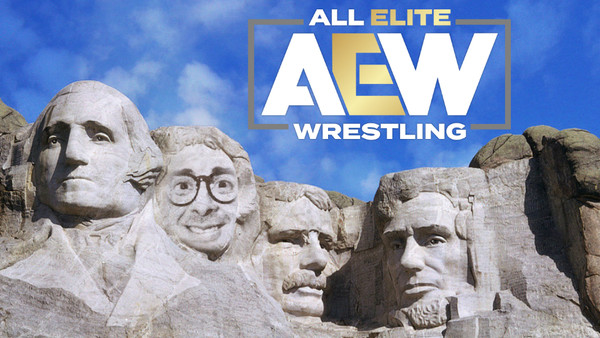
The quest to immortalize the greatest in any field often culminates in the evocative metaphor of “Mount Rushmore”—a collection of four faces, chiseled into stone, representing the undisputed titans. In the dynamic, often brutal world of mixed martial arts, this exercise is less about stone and more about spirited debate, with every fan, fighter, and pundit holding a distinct vision for who deserves a place among the sport`s immortalized elite.
Recently, this perennial discussion was reignited, with a dash of classic MMA controversy, when former UFC Light Heavyweight Champion Tito Ortiz was asked to name his personal MMA Mount Rushmore. The only stipulation? He couldn`t include himself. What followed was a choice that baffled many and delighted others with its sheer, unadulterated self-belief.
Ortiz`s Peculiar Pantheon: A Study in Self-Affirmation
Ortiz, known affectionately as `The Huntington Beach Bad Boy,` certainly carved out an iconic career, marked by ferocious ground-and-pound, memorable rivalries with Chuck Liddell, and a significant upset victory over Ryan Bader late in his career. His presence during the sport`s formative years made him a recognizable figure, synonymous with early UFC superstardom. However, his analytical prowess has, at times, led to some eyebrow-raising pronouncements.
When pressed to name his four legends (excluding himself), Ortiz promptly declared: “Royce Gracie, Ken Shamrock, Randy Couture, and myself.” A rather direct transgression of the sole rule, this move was a testament to Ortiz`s enduring confidence, a trait that both defined his fighting style and, on occasion, his commentary.
The online reaction was, predictably, immediate and vocal. Fans flooded social media, with one observing, “His picks were insane, like MMA never moved past 2008,” while another wryly noted, “He said excluding yourself, but Tito included himself… Genius!” It seems the consensus was clear: Ortiz`s self-inclusion, while humorous, underscored a deeper question about how we define greatness in a sport that has evolved dramatically over decades.
The Enduring Challenge: Defining MMA Greatness
The inherent difficulty in constructing an MMA Mount Rushmore lies in the sport`s relatively short, yet incredibly diverse, history. Unlike baseball or boxing, MMA`s foundational era blends seamlessly into its modern, specialized landscape, creating a generational divide in what constitutes legendary status.
When fans and pundits embark on this mental sculpting exercise, they typically weigh several critical factors:
- Pioneering Status: Fighters who laid the groundwork, demonstrated the art`s effectiveness, and drew early audiences. Gracie, Shamrock, and Couture certainly fit this bill.
- Championship Dominance: Sustained periods as champion, defending the belt against multiple top contenders, often in multiple weight classes.
- Impact on the Sport: How a fighter transcended the cage, influencing rule sets, popularizing techniques, or drawing new demographics.
- Cultural Significance: Iconic rivalries, memorable quotes, and a lasting legacy that extends beyond win-loss records.
- Longevity and Adaptability: The ability to remain competitive and successful across different eras and against evolving talent pools.
Ortiz`s picks, while deeply rooted in the foundational era of the UFC, conspicuously omit many names that have defined the sport since the late 2000s—fighters who have pushed the boundaries of athleticism, skill, and global appeal. This highlights a common tension: should a Mount Rushmore represent the sport`s origins, its peak performers, or its most impactful figures?
A Legacy Carved in Debate
The conversation around MMA`s greatest figures is far from academic; it`s a testament to the sport`s rich history and the passionate connection fans feel to its heroes. Whether it`s the sheer dominance of a Jon Jones, the revolutionary striking of an Anderson Silva, the global appeal of a Conor McGregor, or the multi-divisional success of a Georges St-Pierre, the candidates are plentiful and their merits fiercely debated.
Tito Ortiz, perhaps inadvertently, served as a catalyst for this ongoing discussion. His candid, if self-serving, selection reminded us that while the `Mount Rushmore` remains an aspirational ideal for many, its actual carving is an impossible task. Every selection will be subjective, reflecting personal biases, generational perspectives, and individual definitions of greatness. And perhaps, that`s precisely where its enduring appeal lies—a constant, evolving conversation that keeps the legacies of MMA`s legends alive and vibrant.
So, as the debate continues, perhaps the true Mount Rushmore of MMA isn`t a fixed set of four faces, but rather the collective, passionate discourse itself—a testament to the incredible athletes who have shaped this unparalleled sport.