Tottenham`s previous season under Ange Postecoglou was a study in contrasts. Moments of breathtaking attacking football, such as the emphatic 4-0 away victory against Manchester City, showcased the exhilarating potential of his system. Yet, these highs were often juxtaposed with perplexing lows, including a 4-2 defeat to Wolves in April. The Postecoglou blueprint, while audacious, proved to be fundamentally unsustainable. It was a system that, for all its dynamic appeal, lacked a crucial element: a Plan B. When key defensive pillars like Micky Van De Ven or Cristian Romero were sidelined, the entire defensive structure dissolved with alarming predictability. For a team expected to challenge for the Champions League spots, picking up a mere 14 points in 19 Premier League matches post-January 1st, coupled with a damning -14 goal difference, was an unacceptable performance, regardless of European distractions.
Thomas Frank`s Tactical Blueprint: Structure Meets Ambition
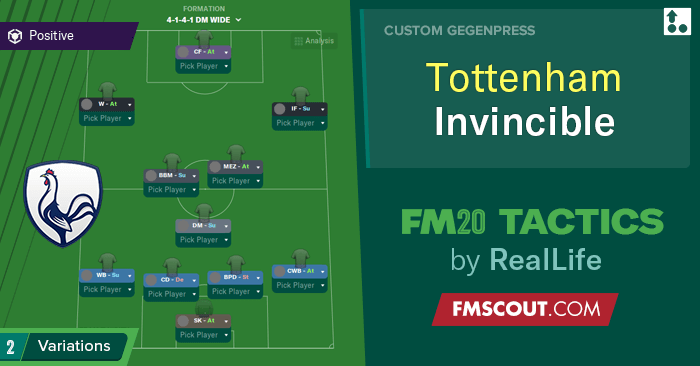
The appointment of Thomas Frank is a clear statement of intent: Tottenham is prioritizing stability, tactical adaptability, and defensive solidity. Unburdened by the immediate, suffocating pressure of ending a decades-long trophy drought (that particular burden, ironically, has just been lifted), Frank has the latitude to implement his vision methodically. His tenure at Brentford demonstrated a manager capable of competing with the Premier League`s elite through sheer tactical acumen and flexibility. While Postecoglou offered dynamism, Frank offers a multi-faceted approach, employing various formations (often 4-3-3 or 3-5-2) to outwit opponents. Crucially, his teams exhibit a forensic focus on set plays, both offensively and defensively – an area where fine margins often dictate results in modern football.
Frank`s philosophy aligns well with Tottenham`s current squad composition. His penchant for a high backline and an aggressive counter-press echoes some aspects of Postecoglou`s style, yet it`s underpinned by a more robust defensive organization. This approach, while potentially susceptible to the counter-attack, is designed to generate significant attacking opportunities through rapid transitions, particularly with forwards like Dominic Solanke leading the line. The emphasis on fitness, a cornerstone of Frank`s methodology, is particularly pertinent for Tottenham`s notably young squad, which boasted an average age of just over 24 last season, one of the youngest in the league.
A Youthful Core and Strategic Reinforcements
Tottenham`s transfer strategy under Frank appears to be one of targeted reinforcement rather than extravagant spending. The permanent acquisition of Mathys Tel, a direct and fearless 20-year-old attacker, injects vital attacking impetus and represents the kind of young talent Frank excels at developing. The additions of center-backs Kota Takai and Luka Vusovic significantly bolster a defense that frequently looked stretched. Mohammed Kudus, joining from West Ham, provides another dynamic option in wide attacking areas, crucial for Frank`s system that values attacking from the flanks.
Perhaps the most strategically vital signing, however, is the expected loan arrival of defensive midfielder Joao Palhinha. While perhaps a “limited” player in the grand, all-encompassing sense (which made his previous links to Bayern Munich somewhat perplexing), Palhinha`s core strengths – sitting deep, breaking up play, and executing simple, effective passes – address a glaring systemic weakness. Even with talents like Yves Bissouma and Rodrigo Bentancur, Tottenham`s previous defensive midfielders often gravitated higher up the pitch, leaving the backline exposed. Palhinha provides the foundational stability needed to make Frank`s system reliably reproducible.
Beyond the new faces, the potential for improvement lies within the existing squad. Healthy seasons from creative lynchpins like James Maddison and the prolific Dominic Solanke will be paramount. Pape Sarr offers another energetic midfield presence with an eye for goal. And with Trent Alexander-Arnold`s departure to Real Madrid, Pedro Porro has a clear path to establish himself as the Premier League`s premier attacking right-back. Simply put, if Frank can successfully engineer a coherent defensive shape, the attacking output is unlikely to be Tottenham`s Achilles` heel.
The Road Ahead: Ambition Meets Pragmatism
Despite the palpable sense of optimism, a pragmatic assessment of Tottenham`s immediate prospects is essential. A top-four finish in the Premier League would demand not only a near-perfect campaign from Spurs but also significant stumbles from perennial contenders like Manchester City, Arsenal, Chelsea, and Liverpool, who currently occupy a tier of their own. A more realistic, yet still ambitious, target for this season is securing fifth place and embarking on strong runs in both domestic cup competitions.
In the Champions League, Tottenham certainly possesses the talent to navigate the new league phase format. Progressing beyond this stage, however, will heavily depend on favorable draws and the extent to which Frank`s system has matured. Making the knockout stages or even the Round of 16 would constitute a solid foundation for future growth. This was, after all, the aspiration last season that largely went unfulfilled – precisely why Thomas Frank has been entrusted with the task. The stage is set for a significant tactical evolution, and all indications point towards a manager ready to hit the ground running with a clear, calculated strategy for Tottenham Hotspur`s revival.