
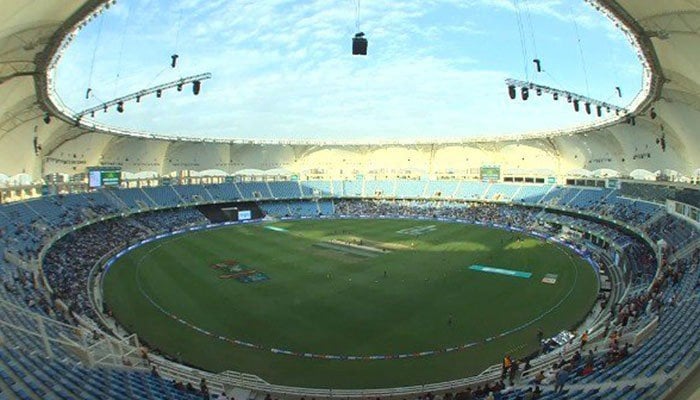
As the cricketing world watched, enthralled by the first-ever India vs. Pakistan Asia Cup final, a conspicuous absence from the VIP box told a tale beyond the boundary ropes. The Board of Control for Cricket in India (BCCI) opted for a strategic no-show, marking the debut of its new leadership with a diplomatic statement.
A Final of Firsts, and First Absences
Dubai was abuzz. The atmosphere for an India-Pakistan cricket match is always electric, but this was different: the first time these arch-rivals faced each other in an Asia Cup final. Tickets vanished faster than a fast bowler`s delivery, leaving a capacity crowd eager for history. Yet, amidst the fervor, a notable silence emanated from the administrative echelons.
Sources confirm that no BCCI official was present at the grand finale. This wasn`t an isolated incident; the board`s representatives had similarly skipped the earlier Group Stage and Super 4s encounters between the two nations. The reason? A firm, albeit unstated, reluctance to engage with Pakistan Cricket Board (PCB) chief Mohsin Naqvi, who also holds the pivotal position of Asian Cricket Council (ACC) chief. It appears some interactions are best left unhad, at least for now, in the complex tapestry of cricket diplomacy.
New Leadership, Enduring Standoffs: Enter Mithun Manhas
This calculated absence served as the backdrop for a significant transition within the BCCI. Hours before the final ball was bowled in Dubai, the Board of Control for Cricket in India held its Annual General Meeting (AGM), confirming the appointment of Mithun Manhas as its new President. Manhas, a former first-class cricketer, steps into shoes previously worn by cricketing legends Sourav Ganguly and Roger Binny, becoming only the third former player to ascend to this prestigious role.
Manhas, 45, brings a wealth of on-field experience, having played extensively for Delhi and Jammu & Kashmir, where he also transitioned into coaching. His election marks a fresh chapter, yet his initial act in office – or rather, the collective act of the board he now leads – was to uphold an existing administrative standoff. One might say he was handed a diplomatic bat straight out of the locker room, tasked with maintaining a delicate balance even before facing his first administrative delivery.
Upon his election, Manhas articulated his vision with gravitas: “It`s an absolute honour to be the president of the world`s finest cricket board and at the same time it`s a huge responsibility as well. I give my assurance that I`ll be committed to doing it to the best of my abilities with dedication and passion.” A commendable pledge, now to be tested against the realities of geopolitical dynamics that often permeate the gentleman`s game.
The Shifting Sands of Cricket Governance
The AGM also saw other significant re-elections and appointments, solidifying the administrative structure around Manhas. Rajeev Shukla and Devajit Saikia were re-elected as Vice-President and Secretary, respectively, ensuring continuity in key roles. Jaydev Shah, President of the Saurashtra Cricket Association, was elected as an Apex Council member, while IPL Governing Council chairman Arun Dhumal retained his post. Further bolstering the cricketing technical arm, former India internationals R.P. Singh and Pragyan Ojha were added to the Ajit Agarkar-led men`s selection committee.
These appointments reflect a blend of experience and new blood, aimed at steering Indian cricket into its next phase. However, the shadow of non-engagement with the PCB lingers, raising questions about future bilateral ties and the spirit of regional cooperation that the Asia Cup ostensibly champions.
The Unspoken Game: What Does This Mean?
The BCCI`s deliberate absence from the Asia Cup final is more than just a logistical detail; it is a clear strategic message. In the intricate world of sports administration, silence often speaks louder than any public declaration. It underscores the enduring, complex relationship between India and Pakistan, where cricket, a unifying force for fans, frequently becomes a stage for political nuances and administrative posturing.
For Manhas, his tenure begins with a definitive stance on one of cricket`s most high-profile rivalries. It signals that while the players battle it out on the pitch, the administrators are engaged in a different, equally intense, and often less transparent game. The fervent cheers from the stands might fill the stadium, but they cannot, it seems, bridge all diplomatic gaps.