As the dust settles on the inaugural 32-team FIFA Club World Cup in the United States, the verdict is undeniably mixed. Pitched by FIFA as a bold step forward for global club football, designed to offer meaningful competition beyond the traditional continental strongholds, the tournament delivered moments of genuine sporting drama. However, it also exposed significant logistical and environmental challenges, serving as a stark, perhaps uncomfortable, dry run for the much larger 2026 World Cup in the same venues and climate.
Jurgen Klinsmann`s pragmatic observation that `No tournament will be perfect` rings particularly true here. While FIFA aimed high, the reality on the ground presented a dichotomy: compelling football often played out against a backdrop of operational hiccups and environmental extremes.
On-Field Action: Unexpected Competitiveness
One clear success of the expanded format was the competitive nature of many matches. Despite initial fears of European dominance, teams from South America, in particular, defied expectations. Brazilian clubs showcased remarkable resilience and tactical nous, with all four progressing from their groups and Fluminense making a memorable run to the semifinals, securing a significant financial boost along the way.
Fluminense manager Renato Gaucho highlighted the financial disparity, noting his club`s budget was a fraction of European giants. Yet, on the pitch, they proved that motivation and tactical discipline could bridge that gap. This was underscored by surprising results, such as Al-Hilal`s elimination of Manchester City. As FIFA`s chief of global football development, Arsene Wenger, admitted, the level of motivation and competitiveness caught even experienced observers by surprise. The considerable prize money certainly acted as a potent incentive for clubs across all continents.
Beyond the pitch, the passionate support from South American and African fanbases often injected much-needed atmosphere into venues that, at times, felt eerily quiet. This demonstrated that a Euro-centric view of football`s global appeal is indeed limiting, both in terms of playing talent and fan engagement.
Off-Field Obstacles: Heat, Pitches, and Attendance Woes
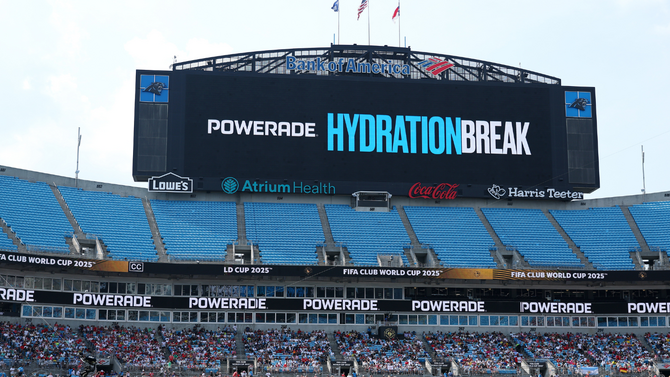
Where the tournament truly stumbled was in its hosting logistics, particularly concerning the environment and venues. The USA`s summer climate proved a formidable opponent. Players and fans alike battled extreme heat and humidity, leading to dizzy spells (as reported by Enzo Fernandez) and concerns about player welfare.
While some players attempted to adapt, the consensus was clear: playing in over 35 degrees Celsius (95 degrees Fahrenheit) significantly impacted high-speed running and tactical flexibility, sometimes forcing teams into more defensive postures. Weather delays added another layer of disruption, prompting managers like Al Ahly`s Jose Riviero to consider innovative quadruple substitutions, while others simply labelled the delays `a joke.`
The pitches, often laid over the existing NFL turf, also drew criticism. Descriptions ranged from `dry` and `slow` to the memorable complaint from PSG manager Luis Enrique that the `ball bounced like a rabbit.` Despite the technical efforts to cultivate specific bermudagrass for consistency across venues, player feedback suggested these efforts did not fully pay off, posing a crucial challenge for the extensive pitch preparations required for 2026.
Adding to the logistical concerns was the attendance. The choice of vast NFL stadiums often resulted in large swathes of empty seats, particularly during group stage matches involving less globally recognized teams. MetLife Stadium, which hosted the final, was reportedly less than half full for some early games. While New Jersey Governor Phil Murphy suggested the teams weren`t “household names,” it highlighted that the CWC, unlike the unique spectacle of the World Cup, couldn`t automatically fill colossal venues, perhaps indicating smaller, soccer-specific stadiums would have provided a better atmosphere and optics.
The Spectacle Over Sport?
In a bid to elevate the event`s profile, FIFA incorporated American sports-inspired pre-match entertainment and a high-profile halftime show featuring major musical acts. While the halftime show itself, staged unconventionally in the stadium`s upper tiers, certainly generated buzz, these moments occasionally felt disconnected from, or even overshadowed, the football itself. The bizarre sight of a U.S. President, greeted with boos, inserting himself into the trophy presentation added another layer of surrealism that detracted from the sporting achievement.
A Flawed Dress Rehearsal for 2026
Ultimately, the Club World Cup served as a revealing, albeit flawed, test run for the 2026 World Cup. Many players who endured the heat and varied pitch conditions this summer will likely return for the global showpiece. The challenges faced provide invaluable data for FIFA and the host cities, particularly regarding player welfare in extreme temperatures and the complex process of preparing pitches in multi-purpose stadiums.
While local organizing committees for 2026 were not directly involved in the CWC`s staging, cities hosting both events used the opportunity for their own logistical checks, from transportation to security command centers. Meanwhile, the optics of FIFA President Gianni Infantino using the event for photo opportunities and cementing a relationship involving a secondary US office in Trump Tower added a layer of off-field narrative that some might find… interesting, if not entirely relevant to the sport.
Conclusion
The 2025 Club World Cup delivered unexpected competitive moments and highlighted the global reach and passion for football beyond Europe. However, it also starkly illustrated the significant hurdles of hosting a large-scale tournament in the USA`s summer, particularly concerning player health, venue readiness, and generating consistent mass attendance for non-elite global brands. It was a tournament of contradictions – compelling play marred by challenging conditions and logistical awkwardness.
Was it a roaring success? By FIFA`s declared metrics, perhaps. Did it matter competitively? The competitive level was higher than some expected, and the prize money certainly mattered to participating clubs. But as a truly prestigious global club competition that captures the world`s imagination in the way the World Cup does, the skepticism that preceded it never fully vanished.
The true legacy of this tournament may not be found in the final score or the trophy lift, but in the hard lessons learned – and hopefully applied – for 2026. Time will tell if this ambitious expansion truly finds its place in the football calendar or remains primarily an instructive, and occasionally awkward, precursor to a far bigger event.